


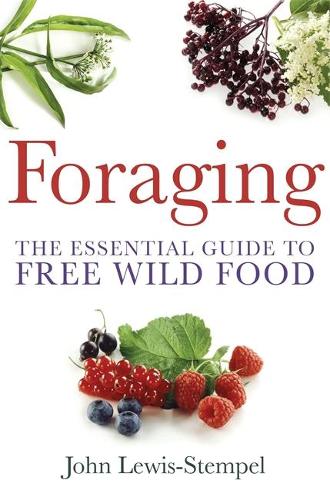

A practical guide to finding and preparing food from hedgerows,parks,fields,woods,rivers and seashore. Aimed at the beginner,it also has a wealth of tips for the enthusiast,and,unlike other books on wild food,covers foraging in the urban environment as well as the countryside. The book shows the reader'Where,How and When'to find the best edibleberries,leaves,flowers,mushrooms,seaweed,shellfish and snails,with clear and full instructions on what is safe to eat. Foraging covers the 100 wild foodsthat are good to eat,fun to find,easy to identify - andwill make a healthy difference to your diet and your bank balance. The book is organised by environment so when taking a walk,gardening,or having a day out you know how to gather a hedgerow harvest,a field feast,a seaside salad. Each entry features one species,and fully explains its looks,exactly where in the habitat it will be found,when it is ripe to eat,its alternative names,its history,how to harvest it,its culinary uses. There are full instructions too on preparation of each plant/fungi/animal,along with recipes for its use. Comfrey fritters,hazelnut pate,nettle beer,sorrel soup,dandelion coffee,blackberry jam....
Publisher: Little,Brown Book GroupISBN: 9780716023104Number of pages: 224Weight: 189 gDimensions: 198 x 128 x 18 mm
John Lewis-Stempel
Widely recognised as one of Britain's finest natural history writers,John Lewis-Stempel is a farmer,journalist and writer whose works include The Wild Life,Meadowland,Where Poppies Grow,The Running Hare and The Secret Life of the Owl. He is a two-time winner of the Wainwright Golden Beer Book Prize for Nature Writing.
Visit the John Lewis-Stempel author page
Kommentar