


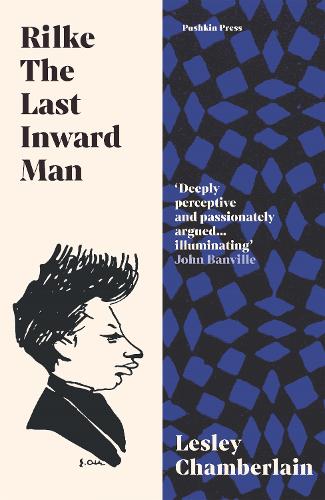

When Rilke died in 1926,his reputation as a great poet seemed secure. But as the tide of the critical avant-garde turned,he was increasingly dismissed as apolitical,too inward. In Rilke: The Last Inward Man,acclaimed critic Lesley Chamberlain uses this charge as the starting point from which to explore the expansiveness of the inner world Rilke created in his poetry.Weaving together searching insights on Rilke's life,work and reception,Chamberlain casts Rilke's inwardness as a profound response to a world that seemed ever more lacking in spirituality. In works of dazzling imagination and rich imagery,Rilke sought to restore spirit to Western materialism,encouraging not narrow introversion but a heightened awareness of how to live with the world as it is,of how to retain a sense of transcendence within a world of collapsed spiritual certainty.
MEDIA REVIEWS
Publisher: Pushkin PressISBN: 9781782277217Dimensions: 198 x 129 mm
MEDIA REVIEWS
Deeply perceptive and passionately argued... illuminatingLesley Chamberlain has a rare gift for animating philosophy through intensely human storiesTh(is) book convincingly argues for the importance of the early poetry. It also untangles Rilke's confusing beliefs about God... with brilliant concision: "He was a materialist because the matter of the world is everything of value to us. Human lives are led in the weighty and dazzling presence of things."
Kommentar