


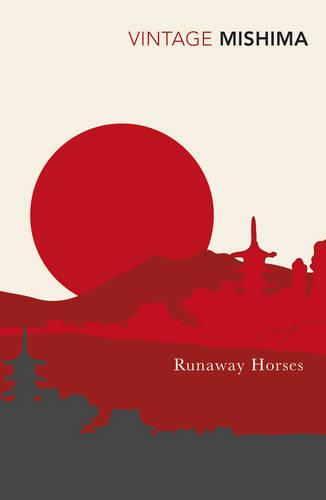

Read this classic exploration of political violence,traditional samurai values and right wing nihilism.Isao is a young,engaging patriot,and a fanatical believer in the ancient samurai ethos. He turns terrorist,organising a violent plot against the new industrialists,who he believes are threatening the integrity of Japan and usurping the Emperor's rightful power. As the conspiracy unfolds and unravels,Mishima brilliantly chronicles the conflicts of a decade that saw the fabric of Japanese life torn apart.
Publisher: Vintage PublishingISBN: 9780099282891Number of pages: 432Weight: 298 gDimensions: 198 x 129 x 26 mm
MEDIA REVIEWS
In Runaway Horses Mishima writes of a desire to destroy or subvert beauty at its height,thus strengthening its appeal and preventing its slow decayOne of the great writers of the twentieth centuryMishima's novels exude a monstrous and compulsive weirdness,and seem to take place in a kind of purgatory for the depravedThis tetralogy is considered one of Yukio Mishima's greatest works. It could also be considered a catalogue of Mishima's obsessions with death,sexuality and the samurai ethic. Spanning much of the 20th century,the tetralogy begins in 1912 when Shigekuni Honda is a young man and ends in the 1960s with Honda old and unable to distinguish reality from illusion. En route,the books chronicle the changes in Japan that meant the devaluation of the samurai tradition and the waning of the aristocracyMishima succeeded,unlike any other writer before him,in creating a glittering alloy of Eastern and Western traditions,classical and contemporary forms
Kommentar